
What Does it Mean to be Overweight?
Being overweight refers to having excess body weight compared to a standard based on factors such as height, age, and gender. It’s usually determined by calculating a person’s Body Mass Index (BMI), which is a measure of body fat based on height and weight. A BMI between 25 and 29.9 is generally considered overweight, while a BMI of 30 or above is considered obese. However, it’s important to note that BMI is just one indicator of health, and other factors such as muscle mass and body composition should also be considered when assessing an individual’s overall health.
Why do People Gain Weight?

People gain weight for a number of various reason but there are a few common denominators. For example, Overeating; consuming more calories than that which we burn off will lead people to gain weight. Another element is living a sedentary lifestyle or not getting enough exercise. This is related to over eating in that if you don’t burn off the calories you consume you will gain weight. Genetic factors may also be a factor. Genetic factors can influence a persons metabolism and their propensity to gain weight. And some people may be genetically inclined to store fat more easily. Some medical conditions and medications can affect metabolism and cause weight gain. Some examples of this include hypothyroidism and some anti-depressants. There is a lot more to this but, overall, weight gain is often the result of a complex interplay between genetic, environmental, behavioral, and physiological factors.
Achieving Your Weight Loss Goals
A healthy weight is something that is important to everyone. If you are of a good weight you will be able to get to a higher level of fitness in the gym, you’ll have more energy, you’ll look better and you’ll feel better. In an endeavour to lose weight and get your weight to a good level there are a number of things you can start doing in your day-to-day life that will help. Regular meals are really important. A good meal will be a part of a balanced diet, healthy and will be avoiding junk-food. Eat a good breakfast; skipping breakfast will not help you lose weight, in fact it may just do the opposite as you might inadvertently over-eat during lunch. A good meal within a balanced diet will include plenty of fruit and veg. Hydration is really important here too. If you are well hydrated it will help you stay feeling energetic and alert. Eat high fibre foods. Food that are high in fibre will help you feel full and less hungry. You can get plenty of fibre from some breakfast cereals and from muesli. You will also get plenty of fibre from wholegrain bread and brown rice. Being active is hugely important in a weight-loss endeavour. You will not lose weight easily if you are totally sedentary. You can start easily so you don’t exert yourself too much or burn out. Start by going for walks then gently increase the intensity ad duration of your exercise. You can join a gym; a gym will have all of the equipment you will need as well as having friendly staff who you can ask for advice and who will be happy to give you some guidance as you progress. You could find a sport you enjoy and join a local club. You will be around like-minded individuals and training in a group can be much more motivating than just training on your own. A part of a healthy lifestyle is to cut down smoking and alcohol. Smoking damages your lungs which will have a direct impact on your physical fitness and health and a glass of wine can have as much calories as a piece of chocolate. With a healthy lifestyle you can drink in moderation.
Tips for Weight Loss
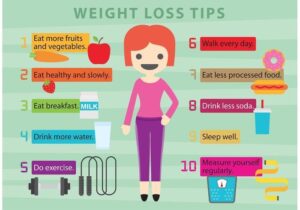
There are a lot of great tips to keep in mind in your endeavour to lose weight and some of the best ones are mentioned here. Healthy Eating Focus on consuming a balanced diet rich in fruits, vegetables, lean proteins, and whole grains. Reduce intake of processed foods, sugary snacks, and high-calorie beverages. Be mindful of portion sizes and avoid overeating. Use smaller plates, measure portions, and pay attention to hunger and fullness cues. Pay attention to what you eat and savor each bite. Avoid distractions like TV or screens while eating, as it can lead to mindless overeating. Drink plenty of water throughout the day. Sometimes thirst can be mistaken for hunger, leading to unnecessary calorie consumption. Regular Exercise Incorporate regular physical activity into your routine. Aim for a mix of cardio exercises (like walking, jogging, or cycling) and strength training to build muscle and boost metabolism. Having a sedentary lifestyle will cause you to gain weight as well as the fact that it is a bad habit to try to get out of. Seek Support Surround yourself with supportive friends, family, or a weight loss group. Having accountability and encouragement can help you stay motivated on your weight loss journey. Be Consistent Consistency is key to long-term weight loss success. Stick to your healthy eating and exercise habits even on days when you feel less motivated. Remember, weight loss is a gradual process, and it’s essential to focus on making sustainable lifestyle changes rather than quick fixes. Consult with a healthcare professional before starting any new diet or exercise regimen, especially if you have underlying health conditions.
Psychology & Behaviour
Psychology is an important factor to consider regarding gaining weight and weight loss.
A lot of people are emotional eaters. In this case food becomes a coping mechanism and not just as fuel and nourishment for our bodies.
Some common triggers for emotional eaters include Stress, anxiety, lonliness, boredom and reward seeking (“I deserve this”)
The reason this happens is because food may activate dopamine in the brain, it may be a learned behaviour from childhood (Comfort = food), it can be a short-term relief and it can be a part of a long term guilt-cycle.
A lot of people blur the line between physical hunger and emotional hunger.
Habit-Loops
There may be a habit-loop with automatic behaviours. In this case it may start with a cue, such as stress, the time of day or sitting down to watch television. Next comes the behaviours, which is snacking or over-eating, then the result is a reward, which may just be comfort or a distraction.
Examples of this kind of habit-loop may e eating while watching TV, snacking “just because it’s there” or finishing food to avoid waste.
Motivation
Motivation versus discipline is another thing to consider. The motivation to overeat can be emotional, short-lived and dependant on the individuals mood whereas discipline needs to have consistent routine with meal planning.
Some Psychological Traps
Some people fall into the “All-or-nothing” psychological trap. They might think “well, I have ruined my diet, so I might as well binge!” or they might think “If I can’t do it perfectly, then I won’t bother try!”
To fix this kind of thinking the individual may realize a little bit of progress can be better than perfection straight-away, they may develop a “Next best choice mindset or realize that restraint can be flexible.
Some people over-eating habits may be a result of stress. Stress does not only increase appetite, but it may reduce self-control.
Some effects of chronic stress may be a craving for fast energy, it may lead to poor sleep which disrupts hunger hormones, or it may lead to less capacity to make effortful decisions.
Weight gain can be a stress response, not a sign of weak character.
Poor Sleep
Sleep and decision fatigue is a factor. When a person is sleep deprived it may increase ghrelin (hunger hormone), it may reduce leptin (satiety hormone) and it may impair impulse control.
When the individual has had poor sleep they feel hungrier and they are less satisfied by food.
When there has been poor sleep the cravings for such things as junk-food can increase. There may be an increase in the desire for sugar, refined carbs and fat. There may be reduced interest for protein and vegetables and reward-seeking behaviours can be activated.
Impulse control also drops. This is because the prefrontal cortex (decision making) is tired and at the same time the emotional/reward brain is alert and awake.
Eating can become a stimulant. When you are tired food may become energy, it may become comfort and it may become a way of staying awake. Especially late at night.
Disciple fails when sleep is bad; stress tolerance is lowered and emotional reactivity is increased.
If the individual has a problem with their sleeping there are a few changes that can be made. They should get into a routine of going to bed and waking up at the same time every day, avoid caffeine late in the day, eat dinner at least 2-3 hour before bed, and avoid using screens like smartphone or tablets within the last hour before going to sleep.
Social & Cultural
There may be a social and cultural influence. This could be family eating norms, peer pressure, social drinking and celebrations around food.
A lot of celebrations centre around food; Christmas, parties, get-togethers. The portion sizes at these celebrations may be a lot bigger than normal, with a lot of food options to choose from which may lead to someone eating too much.
In groups we eat longer, faster and we eat more even when we are full.
At parties and get-togethers we should be aware of what our boundaries should be and that we should stop when we have had enough.
Dopamine & Food Addiction
Dopamine reward. Food can be an addiction. When we eat our brains release dopamine, the pleasure hormone. This hormone release can be part of an addiction. This can over-ride natural satiety signals, it can train the brain to continue finding constant stimulation.
People genuinely suffer from food addiction. What people mean by “Food addiction” is that there may be strong cravings that cannot be overcome, there may be a feeling of being “Out of control” around certain foods, eating when not even hungry and might even lead to feelings of guilt and shame around their food addiction.
Some foods are especially addictive; foods with a high combinations of fats, sugars and salts can be the subject of craving, and some foods can bypass the natural fullness signals.
Food addiction can be more common for people who have had emotional stress or trauma, poor sleep, chronic stress, ADHD, anxiety or depression.
Food addiction is different from simply over-eating. Food addiction is repetitive, compulsive, the individual may continue eating despite discomfort it may lead to guilt and shame and they may feel a loss of control.
Biology & Health Factors
Genetics and body type can have a huge influence. Genetics influence appetite and huger signals, fat storage patterns, metabolic rate and the body’s response to exercise and diet. Genes can explain a lot about why weight loss looks widely different between people.
Metabolism
There are a number of factors that influence a person’s metabolism.
BMR is the energy needed to stay alive. BMR is the foundation of metabolism; it is the energy needed to exist. For most people BMR accounts for about 60-70% of their dailt energy usage. Some thing determine DMR; some are fixed, some are not. Height, sex, age and genetics are largely fixed whereas muscle mass, hormones, sleep quality and stress levels are changeable.
Things that can help boost BMR include resistance trainging, adequate protein intake, eating the appropriate number of calories and good sleep.
TEF (Thermic Effect of Food) is the energy used to digest food. This is the energy your body uses to digest, absorb, transport and store nutrients. To put simple; eating food costs energy. TEF takes up about 8-15% of daily energy expenditure. TEF matters regarding over-eating; protein can increase fullness and it costs more to digest, so helps reduce over-eating.
Low TEF diets can lead to over-eating because you get a lot of calories without the feeling of fullness.
NEAT (Non-Exercise Activity Thermogenesis) is the unconscious movement and exercise activity influences metabolism too. It is the energy you burn doing everything that isn’t formal exercise or eating. Such as walking around your home or workplace, doing chores, standing instead of sitting and just small gestures. It is important because it is a big variable in daily calorie burn and it can be underestimated.
Hormonal Factors
Over-eating is not simply about will-power. There are a lot of hormonal signals constantly at play. If we understand how hormones influence us it will go a long way to manage over-eating.
Ghrelin is the hunger hormone. It is made in the stomach and it rises just before meals. It has the effect of stimulating appetite an making food more appealing. Sleep deprivation can increase ghrelin which makes you hungrier even if you have eaten a lot through the day.
Leptin is the fullness hormone. It is made in the fat-cells. It rises after you have aten,but it is proportional to your fat stores. It signals to the brain that you have eaten enough. Chronic over-eating and poor sleep can lead to leptin resistance which makes you feel hungry when you shouldn’t be
Cortisol is the stress hormone. It is made in the adrenal glands and it can rise when there has been a lack of sleep. This results in an increase in appetite, especially for calorie-dense foods. Chronic stress can lead to presistant hunger and to more abdominal fat.
Peptide YY is the post-meal satiety hormone. This rises after meals and it makes you feel satisfied after a fibre/protein rich meal.
To control your hormone balance naturally you can eat protein at every meal which boosts PYY, you can eat fibre-rich carbs and vegetables, prioritize sleep, manage stress, and avoid sugars on an empty stomach.
Medical Conditions Affecting Weight
Thyroid Disorders
The thyroid is an endocrine gland in your throat and it secretes some hormones. An underactive thyroid can result in slower metabolism, symptoms such as fatigue, cold intolerance or constipation.
Low thyroid hormones reduce basal metabolic rate.
An overactive Thyroid (Hyperthroidism) can result in weight loss while there is a normal or increased appetite and there may be a rapid heartbeat, heat intolerance or anxiety.
Metabolic & Insulin-Related Disorders
With Insulin Resistance the cells in the body stop reacting the right way to insulin. More insulin in the body leads to more fat storage. This kind of insulin resistance is linked strongly to abdominal obesity.
This can exist in the body for years before diabetes.
With Type 2 Diabetes the body has poor glucose handling, it can lead to certain medication leading to weight gain, such as insulin and sulfonylureas.
Gastrointestinal & Absorptive Condition
There are a number of gastrointestinal and absorptive conditions like coeliac disease, inflammatory bowel disease, and gut microbiome dysregulation.
Coeliac Disease is a chronic autoimmune disease that affects how the body handles gluten and mainly affecting the small intestine. Coeliac disease causes a wide range of symptoms and complications that can affect multiple organs outside of the gastrointestinal tract.
Inflammatory bowel Disease is a group of conditions mainly affecting the colons and small intestine. Crohn’s Disease and ulcerative colitis are the most common kinds and weight can change depending disease activity and steroid usage.
Regarding gut microbiome regulation altered gut bacteria can affect calorie extraction, appetite hormones and inflammation. There is currently a lot of research being done on this.
Advice for Overcoming Challenges
Overcoming challenges in weight loss can be tough, but with perseverance and the right strategies, it’s possible to achieve your goals. Here’s some advice for overcoming common challenges in weight loss: Identify Triggers Recognize your triggers for unhealthy eating habits or lack of physical activity. Whether it’s stress, boredom, emotional eating, or certain environments, understanding your triggers can help you develop strategies to overcome them. Set Realistic Expectations Understand that weight loss is a journey with ups and downs. Set realistic and achievable goals, and be patient with yourself. Focus on progress rather than perfection, and celebrate small victories along the way. Address Emotional Eating Learn to differentiate between physical hunger and emotional hunger. Find alternative ways to cope with emotions, such as journaling, talking to a friend, or engaging in activities you enjoy, instead of turning to food for comfort. Practice Self-Compassion Be kind to yourself and practice self-compassion, especially during setbacks. Acknowledge that making lasting changes takes time, and it’s okay to ask for help or seek support from others when needed. Stay Consistent Consistency is key to long-term success. Stick to your healthy eating and exercise habits even when faced with challenges or setbacks. Focus on making sustainable lifestyle changes rather than quick fixes. Stay Flexible Be willing to adapt your approach as needed. If a certain diet or exercise routine isn’t working for you, don’t be afraid to try something new. Experiment with different strategies until you find what works best for you. Plan Ahead Anticipate challenges and plan ahead to overcome them. Prepare healthy meals and snacks in advance, schedule time for exercise, and have strategies in place for social events or situations where unhealthy foods may be present. Seek Support Don’t hesitate to reach out for support from friends, family, or a support group. Having a support system can provide encouragement, accountability, and motivation on your weight loss journey. Focus on Non-Scale Victories Remember that weight loss isn’t just about the number on the scale. Celebrate other signs of progress, such as increased energy levels, improved mood, better sleep, and increased strength or endurance. Practice Persistence Stay committed to your goals, even when faced with challenges or setbacks. Keep moving forward, one step at a time, and trust in your ability to overcome obstacles and achieve success. By implementing these strategies and staying committed to your goals, you can overcome challenges in weight loss and create lasting, positive changes in your life.
Maintaing a Positive Attitude

Maintaining a positive attitude is crucial for success in any endeavor, including weight loss. Here are some tips for keeping a positive attitude throughout your weight loss journey: Focus on Progress, Not Perfection Instead of striving for perfection, celebrate your progress no matter how small. Every healthy choice you make is a step in the right direction. Practice Gratitude Take time to appreciate your body and all the things it can do. Focus on the positive aspects of your health and well-being, rather than dwelling on perceived flaws or setbacks. Use Positive Affirmations Use positive affirmations to boost your confidence and motivation. Repeat affirmations such as “I am capable of reaching my goals” or “I deserve to be healthy and happy” to reinforce positive beliefs about yourself. Surround Yourself with Positivity Surround yourself with supportive and positive people who uplift and encourage you. Avoid negative influences or situations that may undermine your progress. Visualize Success Visualize yourself achieving your weight loss goals and imagine how it will feel to reach them. Visualizing success can help you stay motivated and focused on your goals. Practice Self-Compassion Be kind to yourself and treat yourself with the same compassion you would offer to a friend. Acknowledge that setbacks are a normal part of the journey, and learn from them instead of being hard on yourself. Celebrate Non-Scale Victories Celebrate achievements beyond the number on the scale, such as increased energy, improved mood, or fitting into smaller clothes. These victories are just as important as weight loss milestones. Find Joy in the Process Focus on enjoying the journey rather than fixating solely on the end goal. Find physical activities you enjoy, experiment with new healthy recipes, and savor the positive changes you’re making in your life. Stay Mindful Practice mindfulness techniques such as deep breathing, meditation, or yoga to stay grounded and present in the moment. Mindfulness can help you manage stress and stay focused on your goals. Seek Support Don’t be afraid to reach out for support when you need it. Whether it’s from friends, family, a support group, or a professional, having a support system can provide encouragement and motivation when you need it most. Remember that maintaining a positive attitude is a choice you can make every day. By focusing on the positives, practicing self-compassion, and staying committed to your goals, you can create a mindset that supports your success in achieving and maintaining a healthy weight.
Plateaus & Long-Term Weight-Loss Maintenance
Losing weight can be a challenge, but keeping it off can be an even bigger challenge. Maintaining weight loss has biological, psychological and practical factors.
Weight Loss Plateau
A plateau isn’t a failure, it is just your body re-balancing and there are number of reasons for it.
When you lose weight your body need fewer calories, your NEAT (Non-Exercise Activity Thermogenesis) metabolism factor subconsciously as you move around a lot more without even realizing it.
A plateau doesn’t mean that the fat loss has stopped – it just means that the margin is gone.
There may be a number of reasons why the body plateaus.
One is metabolic adaption. This means resting energy expenditure can decrease beyond what weight loss alone predicts it can be because your body is becoming more energy efficient
Hormonal factors behind a plateau include leptin drops which leads to less satiety, ghrelin rises lead to stronger hunger, cortisol increases leading to fat storage and cravings and the activity from the thyroid may change too.
Psychological factors may be over looked, they are often present.
It may include such things as diet fatigue when the individual becomes bored and tired with the food on their diet.
They may reduce motivation over time, they may increase tolerance for “Small Treats” that interrupts their diet.
We need to know how to break out of the plateau and to continue on effective weight-loss.
You can tighten the margin; reduce you calorie intake just slightly, you can improve the accuracy of your tracking and eliminate “hidden calories” like oils, sauces and drinks.
You can increase the output of your physical activity; add to the amount of daily steps you take, you can slightly increase your training volume and you can focus on increasing your NEAT metabolism factor by just being active in general
Conclusion
Weight loss is often framed as a simple equation of calories and exercise, but in reality it is a complex interaction of biology, psychology, environment, and behaviour. While short-term weight loss is common, long-term success depends far less on extreme diets or motivation and far more on sustainable habits, self-awareness, and adaptability.
The approach to weight-loss can be multi-faceted as there is so much to consider, however there is a lot of help out there to assist.
Some Useful Links
A Great Blog – https://www.mynetdiary.com/blog.html www.health.com/health/gallery/0,,20501331,00.html www.safefood.eu https://www.healthline.com/nutrition/how-to-lose-weight-as-fast-as-possible https://www.menshealth.com/weight-loss/ https://www.express.co.uk https://en.wikipedia.org/wiki/Weight_loss https://www.webmd.com/diet/default.htm www.sineadbradbury.com/GroupWorkshops www.system10weightloss.com/clinic/galway/oranmore-clinic/ www.system10weightloss.com/ www.orsmondclinics.com/ https://www.medicinenet.com/weight_loss/symptoms.htm
Leave a Reply