Diet is of paramount importance to weight loss. You are what you eat. If you eat junk food you will not have a healthy body, if you eat well you will be healthier, you’ll feel better and you will find it easier to lose weight.
Calories Still Matter
Calories intake is important, but quality decides control. There needs to be an energy balance; if intake stays higher than expenditure weight loss will not happen but quality food determines how hard or how easy it is to stay in that calories range.
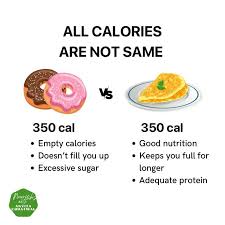
If you consumed, for example, 500kcal, of ultra-processed food there will be low satiety, fast digestion, a blood-sugar spike and returning cravings.
However, on the other hand, you eat 500kcal of whole, protein and fibre rich foods, there will be slower digestion, strong fullness signals, stable blood-sugar and fewer cravings.
These calories look equal on paper, but the body does not treat them as equal.
High quality foods will suppress hunger, they will increase the feeling of fullness, and improve leptin sensitivity. Low quality foods will do just the opposite.
Whole foods will require more energy to digest (the TEF metabolism factor), intact fibre will reduce calorie absorbtion, and high protein foods take more calories to process in the body.
Quality foods also protect muscle and metabolism. Poor quality, low protein diets will increase muscle loss, lower metabolic rate and increase the risk of regaining weight after a loss. High quality diets will preserve lean mass, maintain good metabolism and improve long-term weight control.
A High Protein Diet
High protein diets help weight loss in a number of very important ways. Protein can do three things at once; it can control appetite, burn calories and protect muscle.
Controlling Appetite
Protein is the macronutrient that makes you feel full and satisfied when you have eaten enough.
When you eat protein ghrelin (The hunger hormone) drops, The fullness hormones like PYY and CCK will rise to a natural level and you still stay feeling full between meals.
Burning Calories
Protein has a very high TEF, Thermic Effect of Food. That is the energy that is spent simply digesting the food that you have eaten.
For protein 20-30% of its calories are burned just through digestion, on the other hand it’s only 5-10% for carbs and 0-3% for fats.
Protecting Muscle
You want to assure that you do not lose muscle in your dieting. High protein intake preserves lean muscle mass, it supports muscle repair and maintenance and it keeps resting metabolism rate high. This is important because muscle tissue burns calories, even at rest. Losing muscle mass will make losing weight a lot harder.
Blood Sugar & Insulin Control
Protein improves insulin control by slowing digestion, reducing blood-sugar spikes and lowering insulin carbs in comparison to refined carbs.
With better insulin control in the body there will be less fat storage and there will be fewer hunger crashes.
This is very important for people who have insulin resistance, prediabetes and strong carb cravings.
Helping Diet Adherence
This is a factor that a lot of people may give much consideration, but it is important. A lot of diets fail because the individual may feel hungry, tired or deprived. When high protein diets people may feel more satisfied, it will reduce “diet fatigue” and help long-term consistency easier.
Sources of Protein
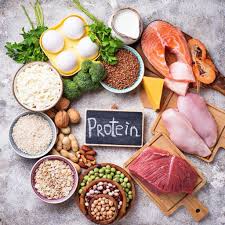
There are a lot of protein sources that you can incorporate into your regular meals. There are lean meats such as chicken, turkey and lean beef, you can have fish and seafood, eggs, greek yogurt, cottage cheese, legumes, and, if you like, protein powders.
So, to recap, high protein diets help because they reduce hunger, increase the burning of calories, preserve muscle, improve blood-sugar control and make it easier to stick to a diet over the long-term.
Blood Sugar Stability
Blood-Sugar stability and blood-sugar spikes and crashes are also a factor in over-eating.
When you eat highly processed foods and refined-carbs, especially without protein or fat, Blood-sugar can rise fast, there will be an insulin spike to help clear it and the blood-sugar drops significantly and quickly afterwards.
This rapid drop in blood-sugar will result in a sudden and intense hunger. The body will start to crave things like sugar and carbs. There is also a loss of portion control causing a person to over-eat and eat portions that are too big.
Stable blood-sugar will help calm the appetite hormones. When the body’s blood sugar is stable ghrelin (The hunger hormone) stays lower, Leptin signals work better, and PYY stay elevated longer.
When the individual has unstable blood-sugar they may get themselves into a negative cycle of eating the wrong kinds of foods.
When they eat a lot of refined carbs there will be a blood-sugar spike which leads to a crash and them they will begin to crave even more of the refined carbs. This cycle will repeat itself and lead to uncontrollable weight gain until the individual breaks out of it will healthy diet and exercise.
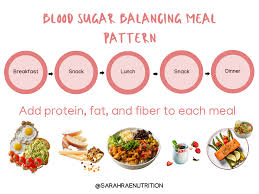
When the individual eats healthy high protein, fibre and healthy fats food the rise in blood-sugar will be gentle and controlled and the energy in the body will be steady leading to a controlled appetite will help it be easier to have a calorie deficit.
The things we should keep in mind to keep our blood sugar stable is to never eat carbs on their own, start meal with protein or vegetables, eat protein evenly across the day, prioritize good sleep (it helps control insulin control) and avoid long fasts as they may trigger overeating.
Fibre & Fullness
Fibre feeds fullness (and your gut) because of how it works on a mechanical, hormonal and microbial way.
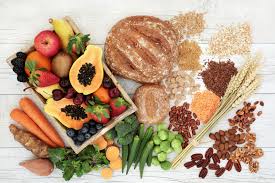
Fibre literally fills you up; it absorbs water, it expands in the stomach, and it increases food volume without adding any further calories. When the fibre fills you up it will signal satiety from your body to the brain to avoid you overeating.
Fibre slows digestion which gives you a longer-lasting feeling of fullness. It slows the gastric emptying of your stomach and it helps avoid blood-sugar spikes. This results in fewer hunger rebounds and less snacking between meals.
A really important factor of a high fibre diet is how it feeds the gut bacteria. The friendly bacteria in your gut can change fibres into short-chain fatty acids (SCFAs). These SCFAs help by strengthening the gut lining, reducing inflammation, improving insulin sensitivity and sending appetite regulating signals to your brain.
With this factor a better gut health leads to a better weight regulation. People with diverse and healthy gut microbiomes can extract calories from food more efficiently, their appetite will be better regulated and they will experience fewer craving.
To sum this up, Fibre increases fullness with fewer calories, it stabilizes blood sugar, it regulates satiety hormones, it helps the friendly bacteria of your gut microbiome and will make youe weight loss endeavour much easier.