Don’t Starve Yourself!
You may call it detox dieting, or body cleansing, or fasting, but the fact remains that starving in any shape or form is dangerous for your health. Fasting for a short period of time maybe good for cleansing your body but prolonged fasting can have damaging effects on your body, such as dehydration, nausea, fatigue, low blood sugar level, etc!
What Makes a Food “Weight Loss friendly”?
Weight-loss-friendly foods share several important characteristics:
- High satiety – they keep you full for longer
- Low energy density – fewer calories per volume of food
- High protein and/or fibre content
- Minimal processing
- Stable effects on blood sugar
Rather than focusing on banning foods, weight loss becomes easier when the diet is built around foods that naturally limit overeating.
Protein
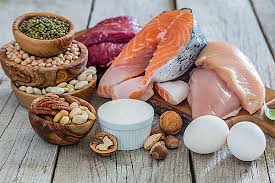
A protein-rich diet is the foundation of weight loss. Protein is the most important macro-nutrient for weight loss for how it regulates appetite, helps muscle preservation and metabolic health.
High-protein foods increase satiety hormones such as GLP-1 and PYY while reducing ghrelin, the hormone that stimulates hunger. Protein also has a high thermic effect of food, meaning the body burns more calories digesting it compared to fats or carbohydrates.
Weight-loss-friendly protein sources include:
- Chicken breast and turkey
- Lean beef and pork
- Fish such as salmon, tuna, and cod
- Eggs
- Greek yoghurt, Skyr, and cottage cheese
- Tofu, tempeh, and legumes
Including protein at every meal reduces hunger later in the day and helps preserve lean muscle mass during calorie restriction, preventing metabolic slowdown
Vegetables
Vegetables are among the most weight-loss-friendly foods available. They are low in calories but high in fibre, water, vitamins, and minerals.
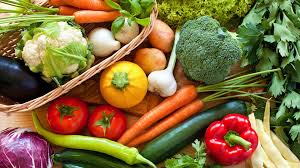
Their high volume allows people to eat larger portions while consuming fewer calories, which is psychologically and physiologically beneficial during weight loss.
Best vegetable choices for weight loss:
- Leafy greens (spinach, kale, lettuce, rocket)
- Broccoli, cauliflower, and cabbage
- Courgette, aubergine, peppers
- Mushrooms
- Carrots and onions
Filling half the plate with vegetables is one of the simplest strategies for reducing calorie intake without increasing hunger.
Fibre
Fruit is often mistakenly avoided during weight loss due to its sugar content. However, whole fruit is rich in fibre and water, which slows digestion and reduces blood sugar spikes.
Compared to fruit juice or dried fruit, whole fruits are far more satiating and supportive of fat loss.
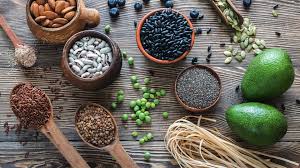
Weight-loss-friendly fruits include:
- Berries (strawberries, blueberries, raspberries)
- Apples and pears (with skin)
- Oranges
- Kiwi
- Plums and peaches
Pairing fruit with protein or healthy fats further improves satiety and blood sugar control.
Good Carbohydrates
Carbohydrates are not inherently fattening. The problem lies in refined and ultra-processed carbohydrates, which digest rapidly and provide little satiety.
Weight-loss-friendly carbohydrates are high in fibre and digest slowly, helping regulate appetite and energy levels.
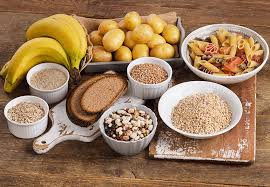
Better carbohydrate choices include:
- Oats
- Brown rice
- Quinoa
- Sweet potatoes
- Boiled or cooled potatoes
- Wholegrain bread and pasta
These foods support physical activity and metabolic health while reducing the likelihood of overeating later.
Healthy Fats
Fat is calorie-dense, but completely avoiding it can backfire. Healthy fats slow digestion, improve meal satisfaction, and support hormone production.
The key is quality and portion control, not elimination.
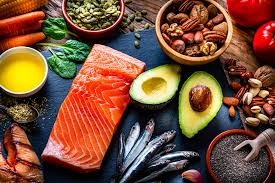
Weight-loss-friendly fats include:
- Olive oil
- Avocado
- Nuts such as almonds and walnuts
- Seeds (chia, flax, pumpkin)
- Oily fish
Including modest amounts of fat improves adherence to a calorie deficit and reduces feelings of deprivation.
Dairy & Dairy Alternatives
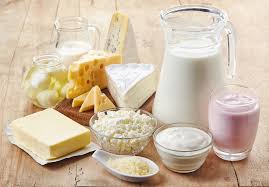
High-protein dairy products can play a helpful role in weight loss. Calcium intake has also been linked to improved fat metabolism.
Good options include:
- Greek yogurt
- Cottage cheese
- Milk (semi-skimmed or equivalent)
- Fortified soy alternatives
These foods are especially useful for snacks or post-exercise meals.
Foods to Limit – Not Eliminate
Weight loss does not require perfection. However, some foods are easy to over-consume and offer little satiety:
- Sugary drinks
- Ultra-processed snacks
- Pastries and sweets
- Alcohol
These foods are not “forbidden,” but relying on them regularly makes appetite control far more difficult.
Conclusion
Weight loss is not about eating as little as possible—it is about eating strategically. Weight-loss-friendly foods help regulate appetite, stabilize blood sugar, preserve muscle mass, and improve long-term adherence.
By prioritizing protein, vegetables, fibre-rich carbohydrates, and healthy fats, individuals can achieve fat loss while maintaining health, energy, and quality of life. Sustainable weight loss is not built on restriction, but on smart food choices repeated consistently over time.
You should eat regular meals. Aim for three balanced meals per day with the option of healthy snacks in between to maintain a steady energy level and to prevent overeating.
Pay attention to your body’s hunger and fullness cues. You should eat slowly, not too fast and stop when you’re comfortably satisfied.
You can be flexible; allow yourself occasional treats in moderation to avoid the feeling of deprivation.
You should consult a dietician for advice before making any changes. Especially if you have any underlying health problems
You should consult a dietician for advice before making any changes. Especially if you have any underlying health problems